


Exploring the Rich Tradition of Paella Regional Variations and Authentic Recipes

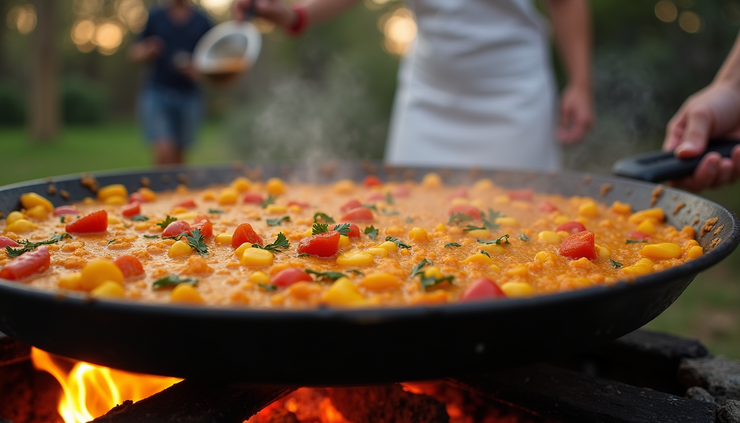
Paella is more than just a dish; it is a symbol of Spanish culture and culinary heritage. Originating from the Valencia region, paella has evolved into many regional variations, each with unique ingredients and cooking styles. This blog explores the cultural background of paella, highlights the differences across regions, and shares authentic recipes to help you bring this iconic dish to your table.
The Cultural Roots of Paella
Paella’s story begins in the rural areas of Valencia, where farmers and laborers cooked meals over open fires using locally available ingredients. The name "paella" comes from the Old French word paelle for pan, which itself derives from the Latin patella. Traditionally, paella was a humble dish made with rice, vegetables, and sometimes rabbit or chicken.
The dish gained popularity beyond Valencia as it spread throughout Spain and eventually the world. Today, paella represents Spanish hospitality and celebration, often served during family gatherings and festivals.
Key Ingredients That Define Paella
At its core, paella is a rice dish cooked in a wide, shallow pan called a paellera. The essential ingredients include:
Short-grain rice such as Bomba or Calasparra, which absorb flavors well without becoming mushy.
Saffron, which gives paella its characteristic golden color and subtle aroma.
Olive oil, used for sautéing and adding richness.
Stock or broth, typically chicken, seafood, or vegetable-based, to cook the rice.
Beyond these staples, the choice of proteins and vegetables varies widely depending on the region and local availability.
Regional Variations of Paella
Valencian Paella
The original and most traditional version comes from Valencia. It typically includes:
Chicken and rabbit
Green beans (ferraura and bajoqueta)
Garrofón (large white beans)
Tomato, rosemary, and sometimes snails
Olive oil and saffron
Valencian paella emphasizes fresh, local ingredients and a balance of flavors. The rice is cooked until it forms a slightly crispy bottom layer called socarrat, which is highly prized.
Seafood Paella (Paella de Marisco)
Along the Mediterranean coast, especially in Catalonia and Alicante, seafood paella is popular. This version replaces meat with:
Shrimp, mussels, clams, squid, and fish
Garlic, paprika, and sometimes a splash of white wine
Peppers and peas for color and texture
Seafood paella is lighter and brinier, reflecting the coastal influence. It is often cooked with fish stock to deepen the flavor.

Mixed Paella (Paella Mixta)
This version combines meat and seafood, often including chicken, rabbit, shrimp, and sometimes chorizo. Mixed paella is popular in tourist areas and restaurants, offering a bit of everything for varied tastes. While not traditional, it has become a well-loved adaptation.
Black Paella (Arroz Negro)
Originating from Catalonia and Valencia’s coastal areas, black paella uses squid ink to color the rice black. It includes:
Squid or cuttlefish
Garlic and onions
Fish stock and sometimes a touch of chili for heat
The ink adds a rich, slightly briny flavor that seafood lovers appreciate.
How to Make Authentic Valencian Paella at Home
Cooking paella requires attention to detail and patience. Here is a simplified step-by-step guide to making traditional Valencian paella:
Prepare the ingredients: Cut chicken and rabbit into pieces. Wash and chop green beans and tomatoes.
Heat olive oil in a paella pan over medium heat.
Brown the meat until golden on all sides.
Add vegetables and sauté briefly.
Add rice and stir to coat with oil.
Pour in broth infused with saffron and bring to a boil.
Simmer without stirring for about 20 minutes until rice absorbs liquid.
Create socarrat by increasing heat for a few minutes at the end.
Rest the paella off the heat for 5 minutes before serving.
Paella is best enjoyed fresh and shared with family or friends.

Tips for Perfect Paella
Use a wide, shallow pan to ensure even cooking.
Do not stir the rice once the broth is added; this helps form the socarrat.
Use quality saffron for authentic flavor and color.
Adjust ingredients based on availability but keep the balance of protein, vegetables, and rice.
Serve with lemon wedges to brighten the flavors.
Bringing Paella to Your Table
Paella invites creativity while honoring tradition. Whether you prefer the rustic taste of Valencian paella or the fresh flavors of seafood paella, this dish offers a delicious way to experience Spanish culture. Try making paella at home for your next gathering and enjoy the process of cooking and sharing a meal steeped in history.
Paella’s regional variations reflect Spain’s diverse landscapes and culinary traditions. Exploring these differences enriches your appreciation of this iconic dish and inspires you to experiment with flavors and ingredients.
Here's Mira's Version made with Adobo'Zon
Árboleo rice
Adobo’Zon original
Saffron
Chicken bone broth
Chicken breast
Longaniza (sausage)
Seafood medley (shrimp, mussels, squid, octopus, scallops)
Tiger shrimp
Lobster tails
Onion
Garlic
Roma tomato
Red bell pepper
Fresh chopped Parsley
Peas
Lime wedges
sea salt & black pepper
Peel shrimp and de-vine
Save shrimp peels and boil in 2 cups of water with salt and your preferred aromatics to make a broth.
Add avocado oil to the paella pot, sauté, onion, tomato, garlic, red pepper.
Push veggies to the side of the pan and brown the chicken and sausage.
Add bone broth and shrimp broth, Adobo’Zon, rice and saffron.
Place seafood all around the pot and cover slightly with aluminum foil. Cook for ten minutes. Then Add shrimp and lobster cover until shrimp and lobster are pink and cooked.
Serve with a fresh salad and tostones.
Find the full recipe in our Cooking Book “The Mediterranean Foodie Tour” by Yamira Lee Johnson


Comments